Understanding St John Medical Alarms for Safer Independent Living
When I first started looking into personal medical alarms for my mother, I thought it would be a straightforward decision. Pick a device, press a button, get help. But as I dug deeper, I realised there is more nuance to it than that. The choice between different systems often comes down to how well they integrate with local emergency services, how quickly they respond, and whether they offer features that genuinely reduce risk rather than just checking a box. One name that kept coming up in conversations with healthcare workers and aged care coordinators was st john medical alarms. Not because they are the only option, but because they represent a specific approach to emergency response that many families in New Zealand find reassuring.
What Makes a Medical Alarm Actually Useful
A medical alarm is only as good as its weakest link. If the device has great fall detection but the monitoring centre takes ten minutes to answer, that delay can change the outcome of an emergency. If the pendant has a long battery life but no GPS capability, it is useless when someone wanders outside the home. These trade-offs matter. I have seen families buy cheap units online only to discover that the monitoring service does not have local knowledge of their suburb or that the call centre is based overseas and struggles with New Zealand accents. That is where local providers tend to have an edge.
St john medical alarms are closely associated with a well known health organisation, which gives many families confidence that the response chain is short and reliable. When an alert is triggered, it goes to people who understand the local geography and know which ambulance station covers which area. That local knowledge might not seem important until you need an ambulance sent to a house that is hard to find at night. Small details like that can save precious minutes.
Fall Detection and GPS: Not Just Buzzwords
Fall detection technology has improved a lot in the past few years. Early systems relied on a simple button press, which assumes the person is conscious and able to reach the pendant after a fall. But many falls leave the person disoriented or unable to move their arm. Modern devices use accelerometers and gyroscopes to detect the sudden impact and change in orientation that happens during a fall. They can then send an alert automatically, even if the person cannot press the button.
GPS tracking adds another layer of safety, especially for people with dementia who may wander. I know a family whose father walked out of his house at 2am wearing only slippers and a dressing gown. They found him within ten minutes because his pendant had GPS and his daughter received a location alert on her phone. Without that feature, the search could have taken hours. St john medical alarms often include GPS functionality, which makes them suitable for people who are still active and mobile but need a safety net when they leave the house.

Two Way Calling and Family Monitoring
One feature that does not always get enough attention is two way calling. When an alert is sent, the monitoring centre can speak directly through the pendant speaker to assess the situation. That voice contact lets them determine whether the person needs an ambulance, a neighbour, or just someone to talk them through getting up slowly. It reduces false alarms and means emergency services are only dispatched when actually needed. That is good for everyone, because it keeps ambulances available for genuine emergencies.
Family monitoring is another feature that has grown in popularity. Instead of relying solely on a third party call centre, the alert can also notify designated family members or caregivers. Some systems send a text message or push notification with the person's location and status. This gives family peace of mind, especially if they live in a different city or work during the day. They can check in remotely without having to call every hour. For many adult children, that ability to stay connected without being intrusive is invaluable.
Choosing Between Different Providers
There is no single best medical alarm for everyone. The right choice depends on the person's health, lifestyle, and living situation. Someone who lives alone in a two storey house has different needs from someone living in a retirement village with on site staff. Someone who still drives to the shops needs GPS. Someone who rarely leaves the armchair might prioritise battery life and fall detection sensitivity.
Connect with us on YouTube.
When comparing st john medical alarms with other options, it helps to look at the total package. What is the monthly fee? Is there a lock in contract? What happens if the device is lost or damaged? How long does the battery last, and how easy is it to recharge? These practical details matter more than flashy features. I have spoken to families who chose a cheaper monthly plan only to find that the device needed charging every two days and the monitoring centre had a long response time at night. They ended up switching to a more reliable provider within a few months.

Practical Tips for Getting Started
If you are considering a medical alarm for yourself or a family member, here are a few things to keep in mind:
- Test the device in your actual home environment before committing. Some pendants have limited range or struggle with thick walls.
- Check whether the monitoring centre is staffed 24 hours a day, seven days a week. Some smaller providers outsource overnight calls.
- Ask about the cancellation policy. Some contracts lock you in for 12 months, which can be problematic if the person's health changes.
- Make sure the device is water resistant if the person showers alone. Many falls happen in the bathroom.
- Consider whether you want a pendant, a wristband, or a belt clip. Each has pros and cons depending on the person's mobility and comfort.
These steps may seem basic, but they are often overlooked in the rush to buy something quickly. Taking an extra day to compare options can save a lot of frustration later.
The Importance of Reliability Over Price
I have seen people choose the cheapest option and regret it when the device failed to connect during a test call. Reliability is not just about the hardware. It is about the monitoring centre, the cellular network coverage, and the backup systems in place if the power goes out. Some providers use cellular networks that have dead spots in rural areas. Others rely on landlines, which are becoming less common in New Zealand homes. St john medical alarms typically use cellular networks and have backup battery systems, but it is always worth confirming the specifics for your area.
Another often overlooked factor is how easy the device is to wear consistently. A pendant that sits in a drawer is useless. If the person finds the pendant uncomfortable, heavy, or embarrassing, they will take it off. Some newer designs are smaller and more discreet, with a slim profile that fits under clothing. Others have a breakaway cord for safety. The best device is the one the person actually wears every day, so involve them in the choice and let them try a few styles if possible.
Final Thoughts on Staying Safe at Home
Medical alarms are not a cure all, but they are a practical tool that can reduce the risk of a minor incident turning into a major crisis. They give older adults the confidence to live independently while giving their families a way to stay informed without hovering. The technology continues to improve, with better sensors, longer battery life, and more intelligent alerting that reduces false alarms. But the fundamentals remain the same: a reliable connection to someone who can help when things go wrong.
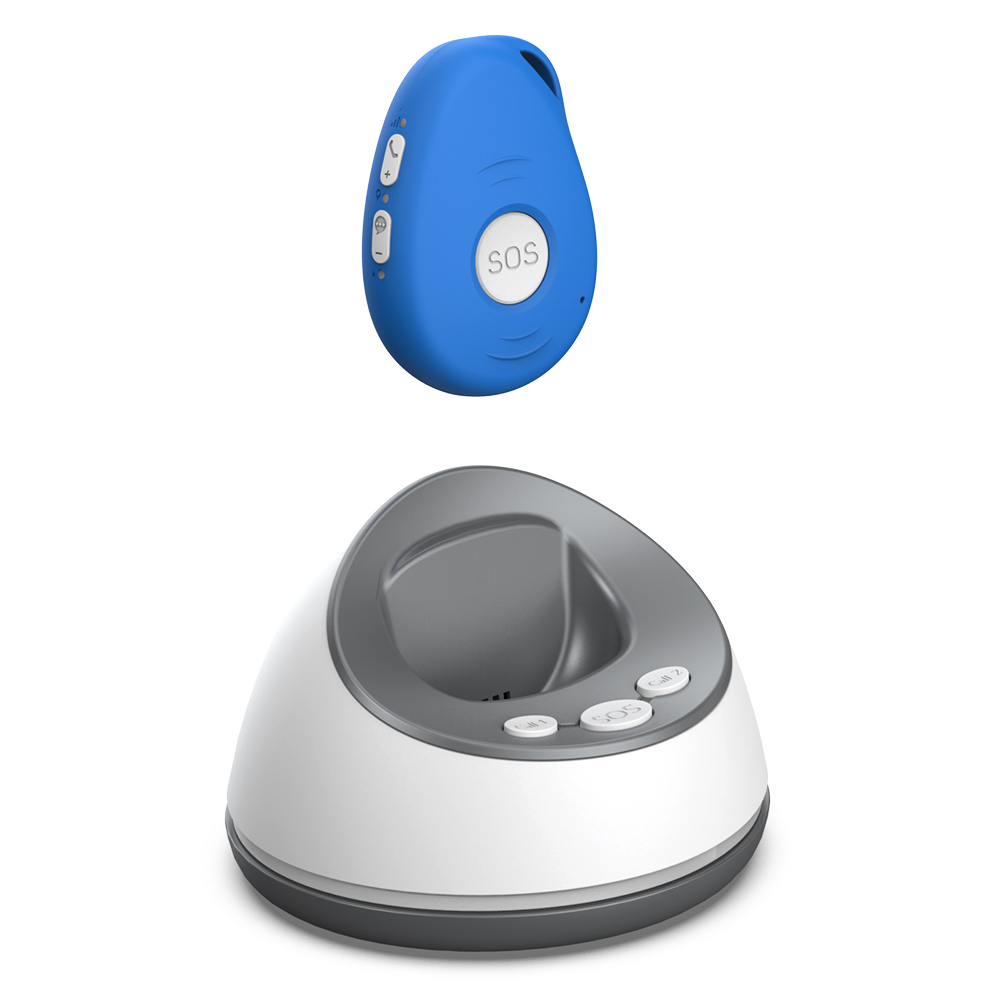
For those living in New Zealand, Familyr provides personal medical alarms for seniors with SOS, GPS, fall detection, and family monitored two way calling. The business is based at 14 Grand View Road, Remuera, Auckland 1050, and can be reached at +64 9 872 0345. Whether you choose their service or another, the important thing is to take the step of getting a system in place before you need it. Waiting until after a fall often means a hospital stay and a loss of confidence that is hard to regain.